
The Suit, Rewritten
How is one of the most recognisable pieces in the men’s wardrobe changing?
This article was automatically translated from Polish.
I’ve always associated the suit with elegance and with a certain set of rules. The right occasion, a fitted jacket, a shirt, a tie and dress shoes. For years, it stood for professionalism, status and seriousness. We wore it to work, to important ceremonies and to meetings where we were expected to look “appropriate”.
Working in menswear has given me a different perspective on the suit. I see it as a garment that keeps evolving, even after it leaves the atelier. Following the market, analysing collections and watching where fashion is going have shown me how much our approach to classic elegance is changing.
From formality to ease
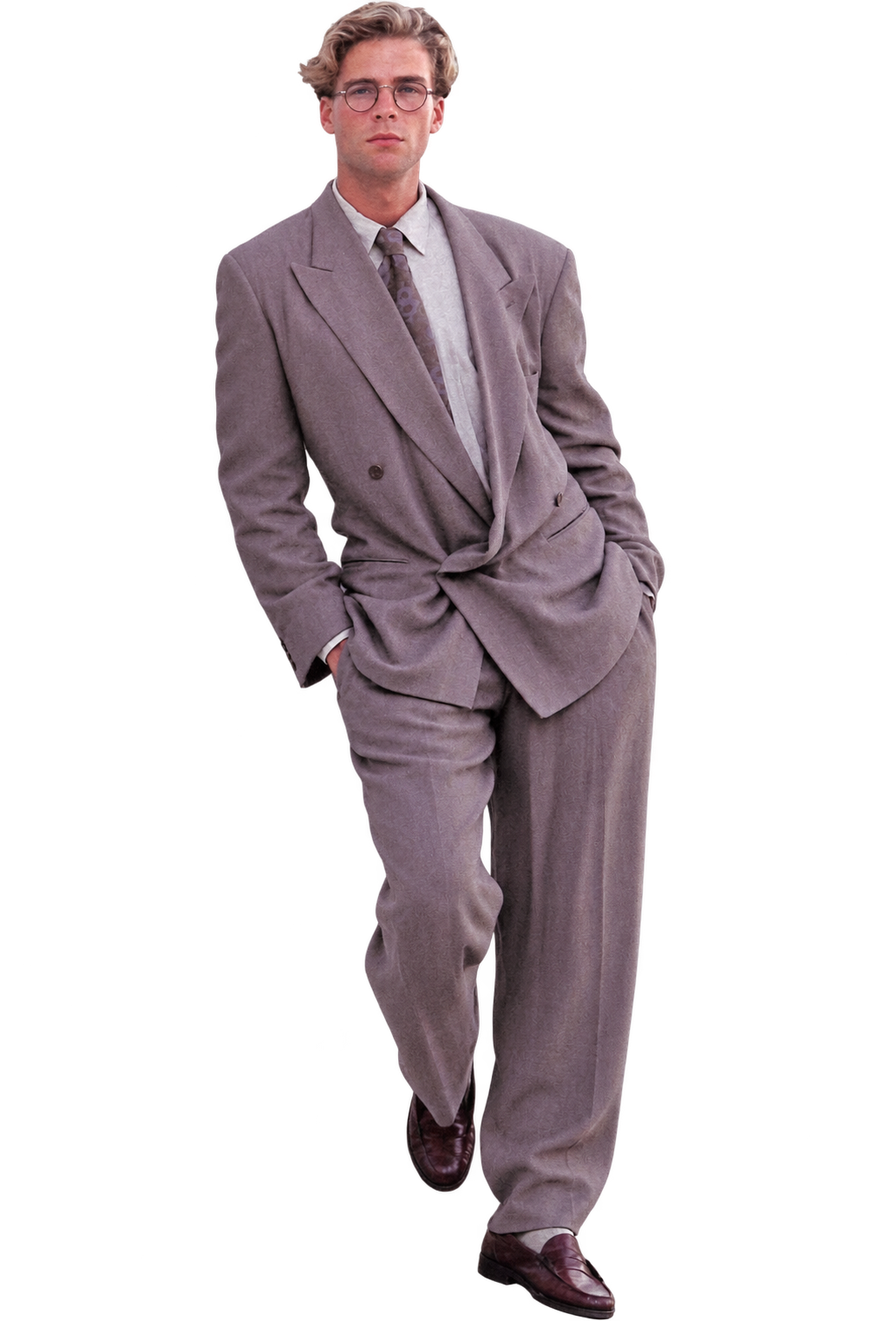
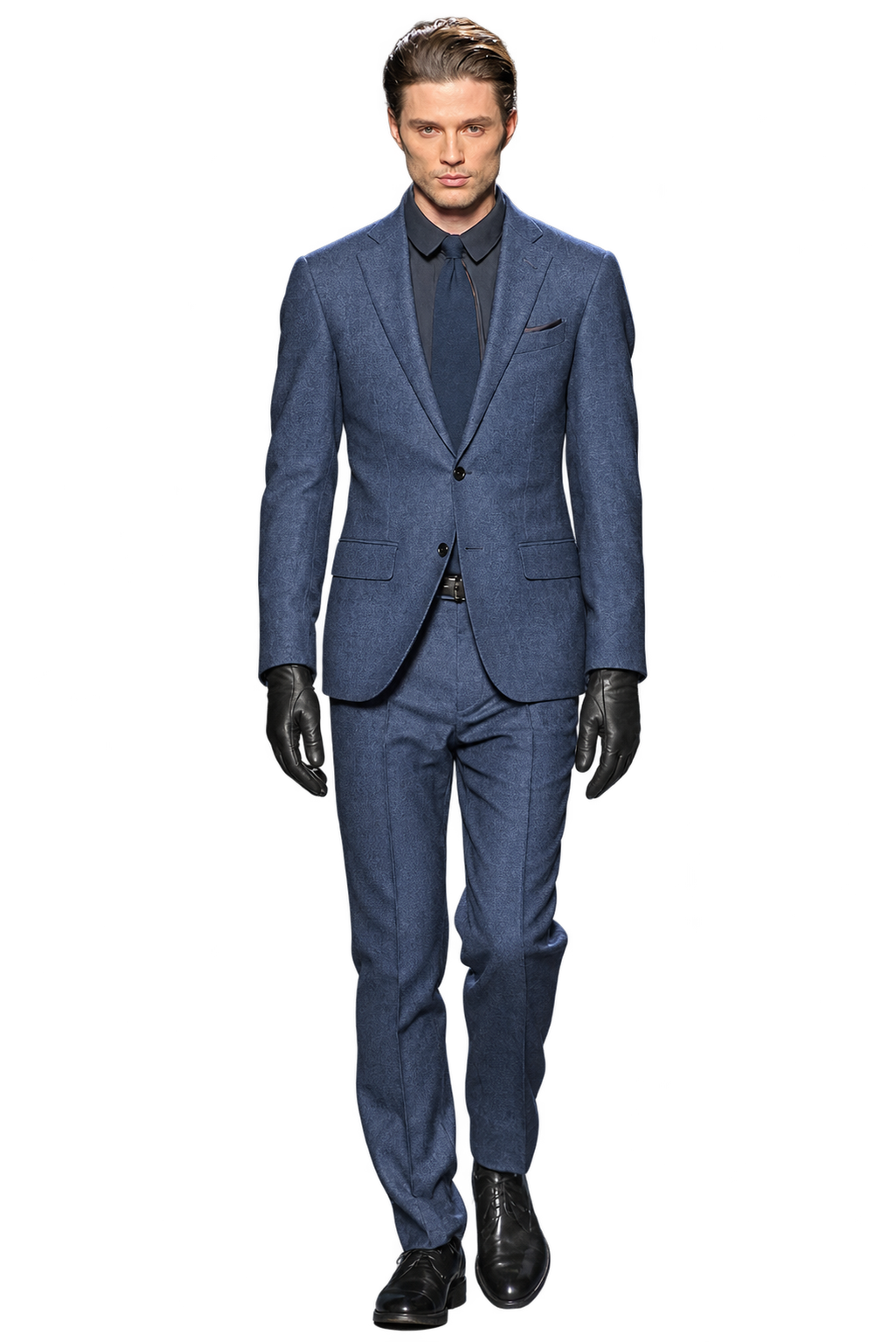
Think back to how suits looked just over a decade ago. Fitted silhouettes, narrow trouser legs and sharply shaped jackets dominated menswear. Slim fit was particularly popular and set the standard for contemporary elegance for a long time.
Of course, fashion never moves in a straight line. Relaxed suits have been around for decades. Think of the broad shoulders and easy construction of the 1980s.
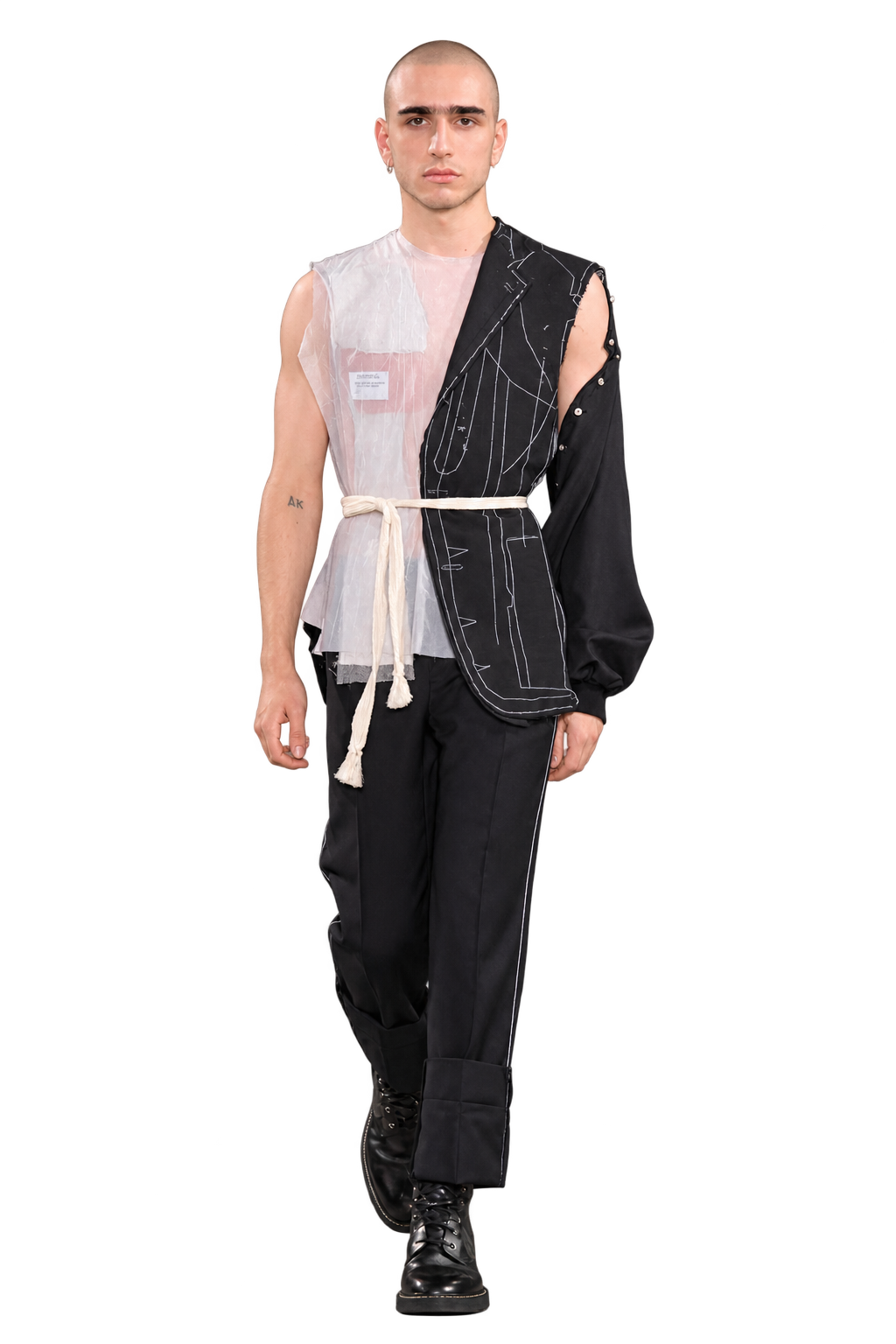
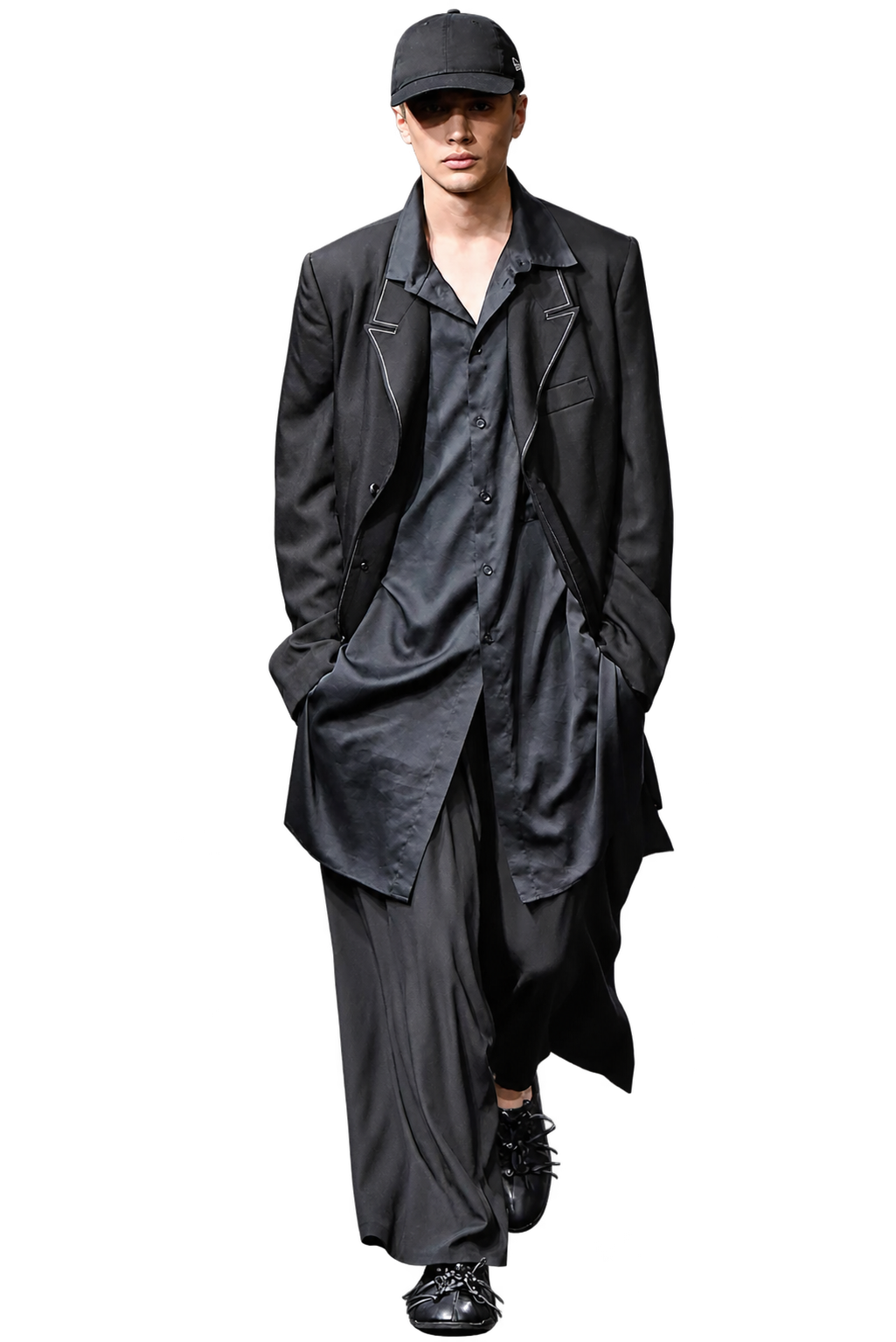
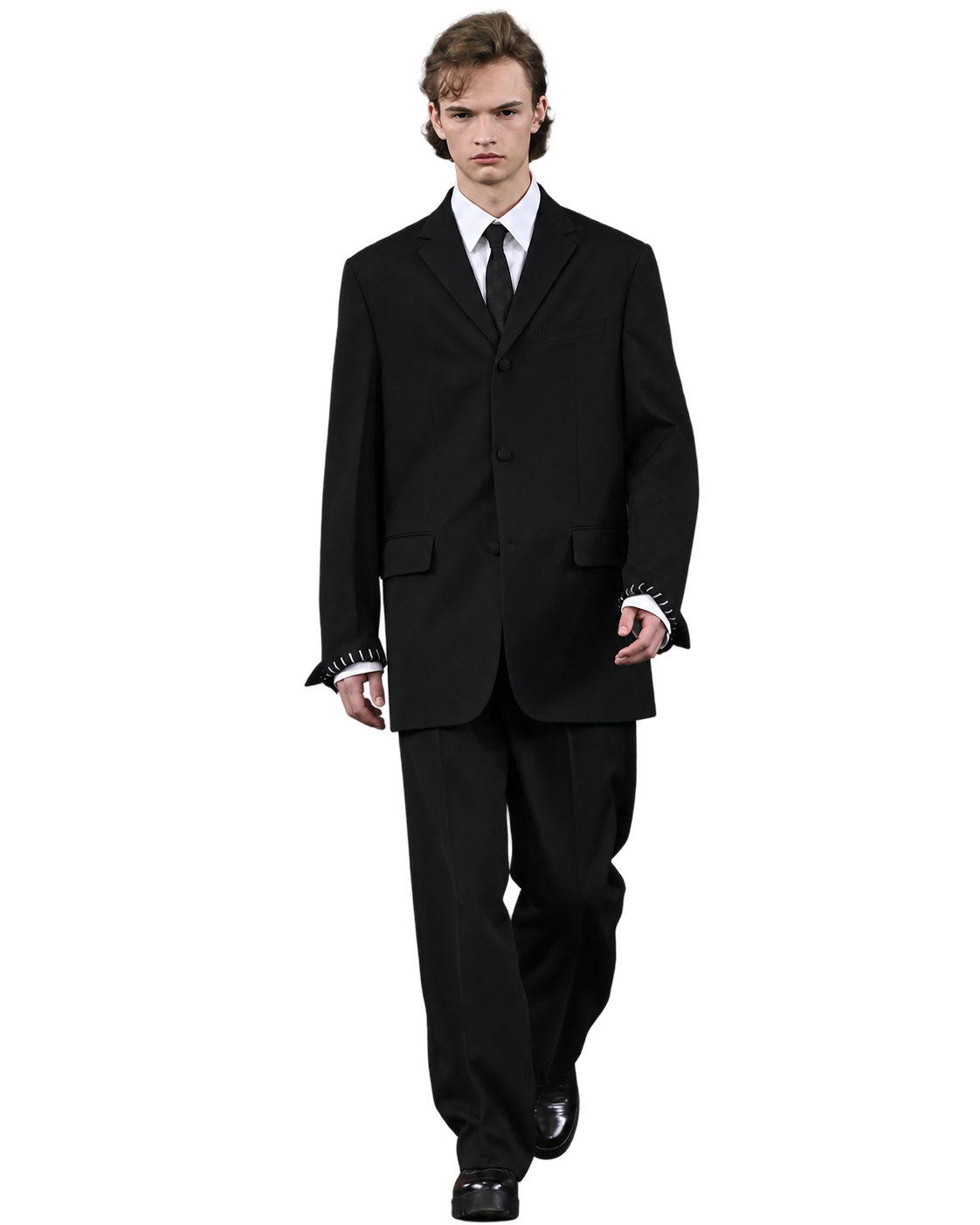
Today we’re once again seeing more freedom in how suits are cut and worn. Loosely constructed jackets, wider trouser legs, soft fabrics and less formal combinations are increasingly common. A suit can have a softer structure and trousers with room to move. What once might have been seen as breaking the rules of elegance can now be a natural way to develop your own style.
The way we wear the suit is changing alongside its appearance. It’s increasingly worn outside formal settings, from ceremonies and meetings with a dress code to everyday occasions.
A new generation, new expectations
The expectations of younger consumers offer another way to understand how attitudes to elegance are changing. For many young people, comfort has become one of the main criteria when choosing clothes. In the Statista Consumer Insights survey, 53% of Gen Z respondents in the UK and 58% in the US cited comfort. It was the most frequently selected factor in this group in both countries.
That’s an important signal for clothing brands. Menswear brands need to adapt their ranges to customers’ changing expectations. Classic suits still have a place. A broader range makes room for more than one way to dress elegantly.
Brands that spent years building their collections around classic tailoring now face a challenge. How can they keep their identity while appealing to a generation that takes the traditional dress code less for granted?
Is classic tailoring on its way out?
Absolutely not. I think that’s precisely where the strength of the suit lies.
A classic, well-cut suit still has a place in the men’s wardrobe, as we can see, for example, in red-carpet looks from 2026. There are occasions when it’s hard to imagine a better choice. Fashion also gives us more options. We can choose between classic elegance and more relaxed interpretations, tailoring what we wear to our needs, proportions and personality.
What interests me most is how the suit has moved beyond a single prescribed role. It can be an everyday choice and a way to express yourself. That’s why, after all these years and shifts in trends, it remains such a fascinating and continually reinterpreted part of menswear.
Share this article